New rules proposed for public comment plus other changes at Duluth City Council meetings
Duluth City Council Meeting Gallery (2/23/26)
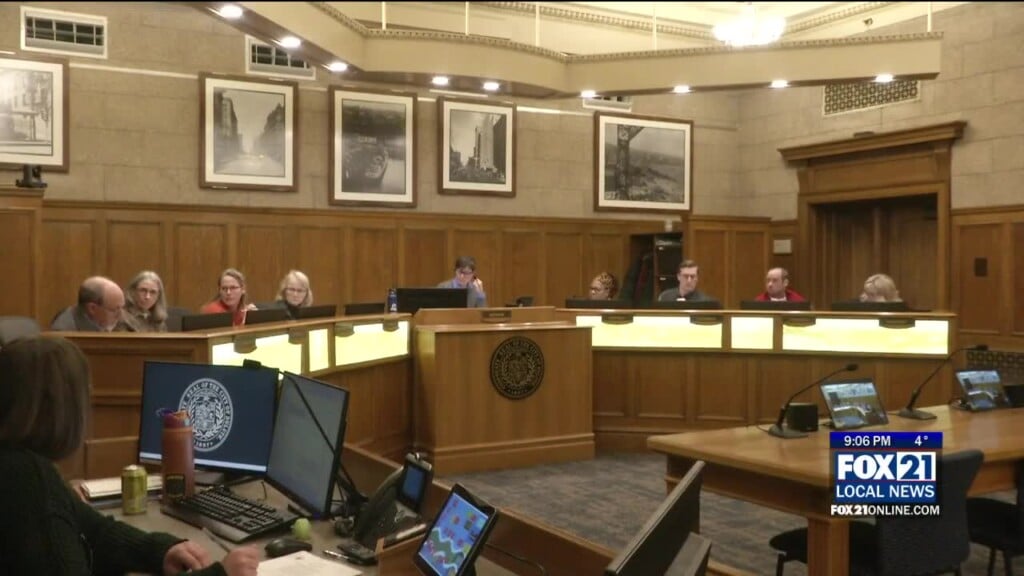
DULUTH, Minn. – Four Duluth City Councilors are proposing a number of changes to Duluth City Council meeting Standing Rules and order.
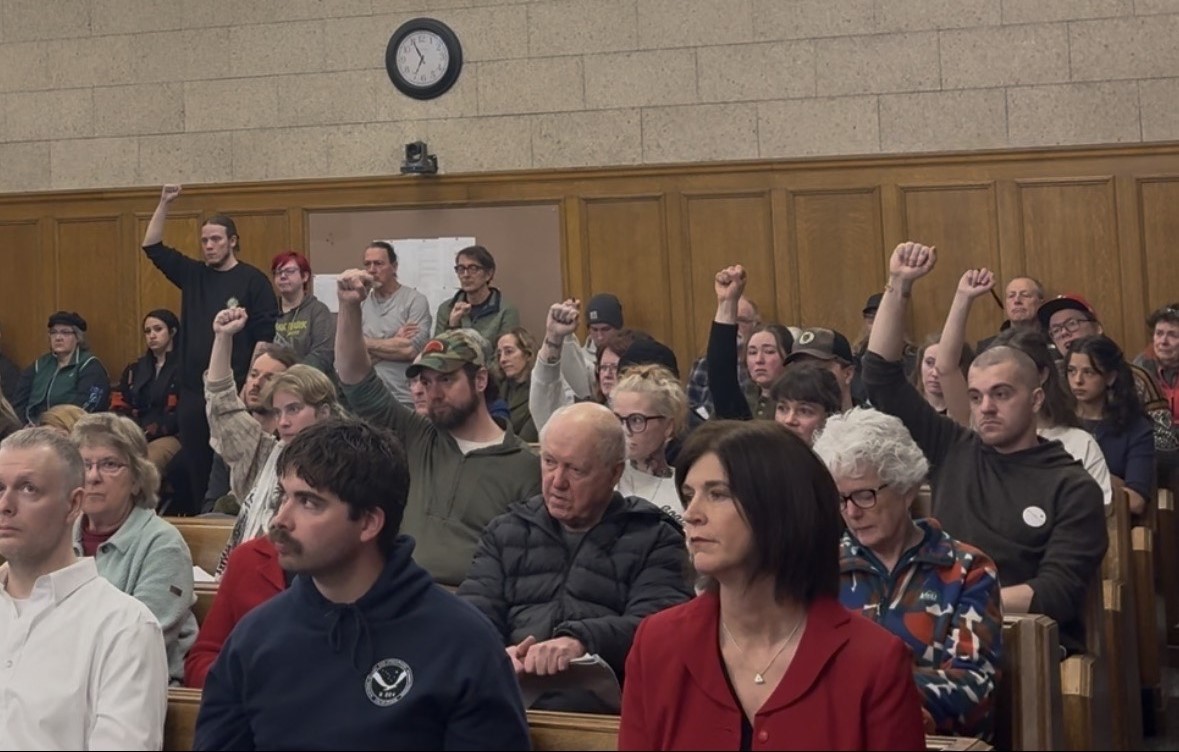
These changes follow heated city council meetings that have seen members of the gallery trying to shout down city councilors and a physical confrontation as well. The resolution is co-sponsored by councilors Jordon Johnson, Arik Forsman, Roz Randorf, and Diane Desotelle.
Randorf tells FOX 21, “We want people to understand the core purpose behind these proposed changes. This is about balancing two equally important responsibilities: preserving meaningful public participation and conducting City business effectively.” She continued, “At the end of the day, these proposals are about strengthening the process. We want public input. We value it. And we also have a responsibility to make decisions in a way that is organized, transparent, and sustainable.”
The proposed changes will be discussed at the March 9, 2026, city council meeting.
Public Comment Changes:
One part of their proposal is to separate public comment into two different parts. One part of public comment will be around the same time as it is in the current order. But those comments will be restricted to only addressing items that are on the agenda. The second part of the public comment will be after the regular agenda, tabled items, plus introduction and consideration of ordinances. The second part of the public comment would be for open comment on any topic.
Randorf says, “We often have long stretches of comments at the beginning of meetings, some related to agenda items and some not. Separating public comment into two clearly defined times, one for agenda items and one for general topics, actually makes it easier for residents to be heard at the most relevant time, while allowing the Council to move through its work in a more focused way.”
The proposed language says, “Providing an opportunity for public comment on agenda items before council deliberation ensures that council members have the benefit of community input prior to taking action and strengthens informed decision-making.” It further proposes, “Comments on non-agenda items and comments by persons who miss the sign-up for the first public comment period will be heard during the second public comment period for non-agenda items.”
The proposed rules also say a person will only be allowed to speak at one public comment section per council meeting. They explain, “This structure is intended to ensure equitable access to speaking time and allow as many community members as possible the opportunity to be heard.”
Order In Council Chambers:
It also has proposed language saying, “While open to the public pursuant to Minnesota’s Open Meeting Law, members of the public are not permitted to participate directly in Council discussion and debate unless invited or formally recognized by the presiding officer. This structure preserves order, ensures fairness to all participants, and supports transparent and effective decision-making while providing designated opportunities for meaningful public input.”
It also says, “All persons in council chambers shall conduct themselves with decorum and respect.” They also propose, “No person or member shall address the other members without being recognized by the presiding officer to ensure orderly discussion, prevent interruption or cross-talk, maintain fairness in the recognition of speakers, and ensure all remarks are accurately recorded in the public record.”
They also address people in the gallery approaching councilors, “For safety and security reasons, members of the public may not enter the area between the podium and council seating immediately before, during, or immediately after the meeting. Any materials to be distributed to the council with the presiding officer’s permission shall be delivered to the city clerk for distribution to the council.”
The rules would also ban “Disorderly conduct that impedes, disrupts, or disturbs the meeting, hearing, or other proceeding is prohibited. Prohibited conduct includes, but is not limited to, audible demonstrations of approval or disapproval, cheering, jeering, shouting, whistling, clapping, stomping of feet, or other disruptive behavior.”
They also want to limit props or signs that are brought into meetings, proposing, “Signage or banners may be no larger than 11 inches by 17 inches, inclusive of handles. These limitations balance expressive rights with public safety, accessibility, and visibility for all attendees.”
They also clearly express that public comment is for comment, not debate. “Council members purposefully to not engage in dialogue during this time to ensure each speaker may be heard fully and without interruption. Members of the public who would like to engage with a councilor in advance of a meeting on a given topic are encouraged to contact them in advance. This structure preserves fairness, prevents debate during public comment, and ensures equal treatment of all speakers.”
Enforcement of Council Standing Rules:
The proposed language says that when a person does not follow order and decorum, it could lead to the meeting ending.
The language says, “When a person, attendee or participant violates the above rules of order and decorum, the presiding officer is authorized to take appropriate action, including but not limited to, any one or more of the following actions: (A) Not recognize a violating person’s request to speak, or limiting their role in debate or comment, as applicable, until decorum is observed. (B) Declare the person’s actions out of order. (C) Temporarily recess the meeting until order is restored. (D) Issue the person a verbal warning and/or directive that the person is out of order and shall follow the rules of order, be silent unless recognized to speak, and/or immediately cease such conduct. (E) In addition to the above, in the event disruptive conduct continues to impede the council’s ability to conduct its business, the presiding officer may call for a motion to adjourn the meeting to another date and time or end the meeting.”
Large Groups:
They ask, but do not demand, to have large groups “express their views through a single spokesperson rather than individually. The group representative will not receive additional time.”
Late Nights:
Currently city council meeting rules say no meeting shall continue past 11 p.m. The updated proposed language would end the meeting an hour earlier, writing, “No meeting of the council shall continue past 10 p.m.”
This change is being made because recently the council moved up the start time of the meeting from 7 p.m. to 6 p.m. This will mean the meeting will run the same length as they have historically.
Council E-mail:
Electronic mail communications exchanges between a quorum or more of council members on matters that are or may come before the council would be prohibited under the new rules. It was okay to have these e-mail discussion the past, but they would have to be made public.
Randorf explains this proposed change, saying it makes sure “substantive deliberation happens in public, not through long email chains. That protects public trust and protects the Council.”