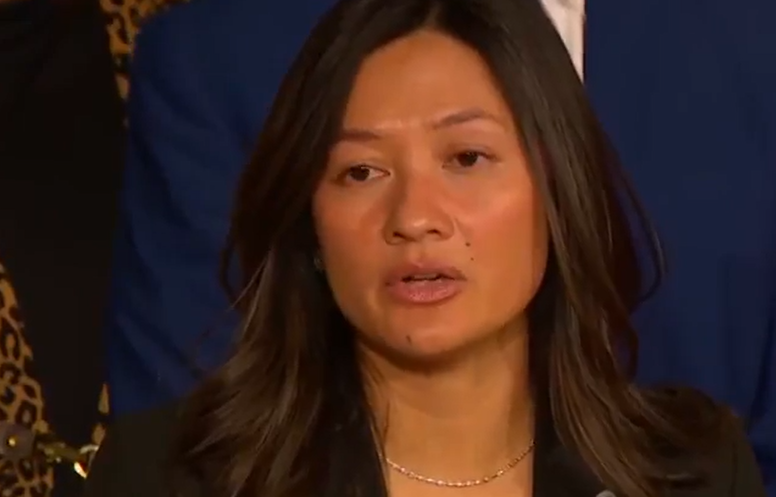
Q & A with the lead attorney suing Homeland Security for Duluth Schools

June Hoidal
(WCCO)
DULUTH, Minn. – The Duluth School District filed a lawsuit against Secretary of the U.S. Department of Homeland Security Kristi Noem, plus other people and agencies. The lawsuit is trying to stop immigration enforcement actions near schools. The suit was also in partnership with the Fridley School District and the Education Minnesota teachers’ union.
Just hours after the lawsuit was filed FOX 21 asked a few questions of the lead attorney in the lawsuit. June Hoidal gave some clarifying information on the filing in federal court.
1. A change in long standing policy alone should not be a reason for a suit. Why is the background so important in this filing?
This lawsuit is not about disagreement with a policy choice. It’s about how federal agencies are required to make significant policy changes under the law.
For decades, schools have been treated as protected locations under DHS policy, and school districts across the country have relied on that stability to do their jobs. When an agency reverses a long-standing policy like that, the law requires it to explain the change and follow specific procedures so affected communities can understand and respond.
Here, that process didn’t happen. The background matters because it shows reliance, disruption, and why procedural safeguards exist in the first place — to prevent sudden changes that have real-world consequences for institutions like public schools.
2. Do you expect more districts to join the lawsuit?
That’s ultimately a decision for individual districts to make, based on their own circumstances.
What this case seeks to do is clarify the legal boundaries schools are entitled to rely on. If the court agrees that those boundaries must be restored through lawful process, that clarity benefits all districts — whether or not they are parties to this case.
3. Why is Duluth part of this lawsuit if no ICE-related incidents have happened on or near school campuses?
Duluth’s experience shows why this issue isn’t limited to isolated incidents at specific school sites.
The rescission of the protected locations policy created statewide uncertainty about when and where enforcement activity could occur. In Duluth, that uncertainty has had concrete effects — including increased absenteeism, additional safety planning, and the need for the district to divert resources to prepare for scenarios that previously were clearly off-limits.
The law does not require school districts to wait for enforcement activity to occur on campus before they can seek relief. When a policy change disrupts how an institution functions day to day, that harm is already real.